Every safety program talks about “people” doing the right thing. Procedures target people. Observations track people. But ask anyone to name exactly which people control whether your safety culture works, and you’ll get vague answers about engagement and systems. Nobody wants to name the actual person. Because naming that person means admitting the whole approach has been aimed at the wrong target.
Here’s a start on how to train supervisors the right way: stop treating “safety” and “leadership” as two separate problems.
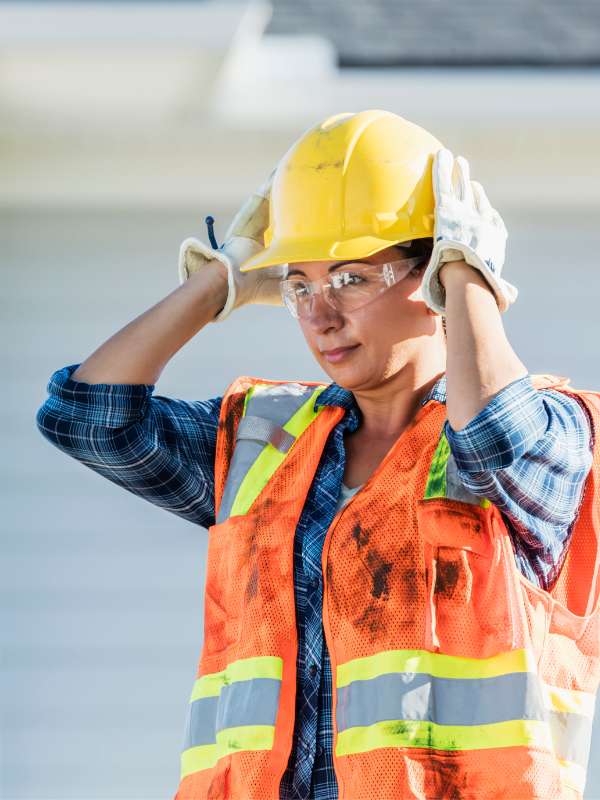
Professional athletes don’t forget their gear. Hockey players show up with pads. Football players show up with helmets. They’re professionals with professional expectations, and they deliver every time. So why does your crew keep “forgetting” safety glasses? Why does PPE keep going missing on the job? The answer isn’t in a hierarchy of controls chart. It’s in how your crew is being led.
Systems Over People
The hierarchy of controls — elimination, substitution, engineering controls, administrative controls, and PPE as the last resort — sounds thorough. But ask who’s actually doing the eliminating, the engineering, the enforcing. The chart doesn’t say. It’s deliberately impersonal. Same with “complacency.” Your whole crew isn’t going complacent at the same time. A few people are, and they usually sit under the same supervisor.
It’s easier to call that complacency than to say “this supervisor doesn’t know how to keep a team engaged.” One sounds like it needs another poster. The other means admitting you need to actually develop a person, which is slower and less comfortable.
You’ve built plenty of systems that avoid dealing with people directly. Procedures are measurable. Rules are enforceable. Relationships are messy — and that’s exactly why most companies skip past them.
The PPE Problem Nobody Wants to Discuss
When someone “forgets” their PPE, that’s not really a compliance problem. It’s a relationship problem. Those pro athletes don’t need someone trailing them with a checklist — they show up ready because they respect their role and the team around them.
Your crew isn’t showing up like professionals because, too often, they’re being managed like people who need constant reminding instead of people who’ve been given real expectations by a supervisor they trust. If you want to know how to train supervisors so PPE stops being a daily fight, start with the relationship, not another rule.
Where Safety Actually Lives
Safety culture doesn’t live in a manual or a hierarchy chart. It lives in the daily relationship between your supervisors and their crew members. When a supervisor builds real trust with their team, people stop cutting corners and start holding each other accountable — because they care, not because they’re being watched.
Kevin calls this being a CareFull supervisor — not just careful, but full of care. Full of care for their crew, for the work, and for doing things right. That’s the gap between a supervisor who gets people to comply and one who builds a crew that actually gives a damn.
Getting there takes more than a one-day safety leadership class. It takes real skill-building: how to coach, how to communicate, how to listen, how to hold people accountable without making them afraid.
Why You’ve Been Avoiding This
It’s easier to build another checklist than to develop a person’s leadership skills. It’s more comfortable to run an awareness campaign than to admit a supervisor isn’t equipped to lead. Every impersonal system — the hierarchy chart, the observation program, the complacency campaign — has one thing in common: none of them name the person who actually determines whether safety sticks. Naming that person means admitting your supervisors were never properly trained to lead.
The Real Fix
Put the same time and money into developing your supervisors’ leadership skills that you put into procedures, and most of your safety issues start solving themselves. You stop blaming a crew for not following rules and start developing the one or two supervisors who actually need it. You stop needing constant observation, because supervisors build teams that hold each other accountable. And PPE stops being a daily argument, because your crew respects the person setting the standard.
This isn’t just a safety fix, either. When your supervisors build real leadership skills, it shows up in turnover, productivity, engagement, and how fast a new hire gets up to speed — every part of the business a supervisor touches.
Thirty-eight lessons. One lesson per day. One workbook page per day. All in under 10 minutes per day. No pulling anyone off the job for days at a time. Your supervisors learn while they work with their teams. Zero operational disruption. And, results you’ll see in weeks.
That’s what PeopleWork Supervisor Core Essentials is built to do — give your supervisors the relationship and communication skills that make safety, and everything else, hold together. Not more procedures. Not another poster. Just supervisors who know how to lead.
Get PeopleWork Supervisor Core Essentials for your supervisors — $995. Give them the skills, and watch how many “PPE problems” quietly disappear.